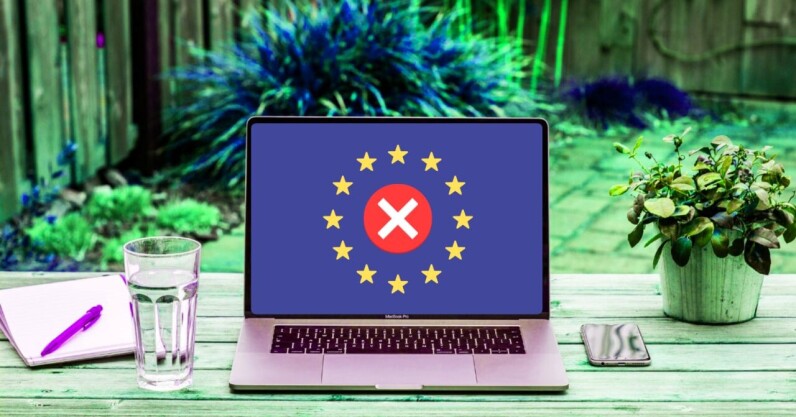
Dear EU policymakers, please stop ignoring freelancers


The digital platform economy has exploded in the last few years. According to European Commission figures, over 28 million people in the EU work through digital labor platforms today. By 2025, their number is expected to reach 43 million. Workforce digitalization, which accelerated during the COVID-19 pandemic, has radically changed the European labor market. For some people, that means insecure contracts and stressful working conditions. While others are fortunate enough to freely embrace platform work as a way of escaping the 9-to-5 and increasing economic opportunities. It’s a really complicated issue, and these are the treacherous waters European policymakers are…

This story continues at The Next Web

from The Next Web https://ift.tt/3NxT4U9

Comments

Popular posts from this blog

TNW Podcast: Boris comes over to co-host; Slack’s Cal Henderson talks European tech

 Welcome to the new episode of the TNW Podcast — the show where we discuss the latest developments in the European technology ecosystem and feature interviews with some of the most interesting people in the industry. In today’s episode, Andrii is joined by Boris Veldhuijzen van Zanten, co-founder, member of the board, and former CEO of TNW. The topics discussed include the jobs created by Dutch startups, giant state funding for energy projects, translations of the word ‘computer’, and a bunch of other things in between. In the interview section, we’re featuring a conversation with Cal Henderson, co-founder and… This story continues at The Next Web from The Next Web https://ift.tt/jUgcNFD

Google’s ‘time crystals’ could be the greatest scientific achievement of our lifetimes

Eureka! A research team featuring dozens of scientists working in partnership with Google‘s quantum computing labs may have created the world’s first time crystal inside a quantum computer. This is the kind of news that makes me want to jump up and do a happy dance. These scientists may have produced an entirely new phase of matter. I’m going to do my best to explain what that means and why I personally believe this is the most important scientific breakthrough in our lifetimes. However, for the sake of clarity, there’s two points I need to make first: Time crystals are a… This story continues at The Next Web Or just read more coverage about: Google from The Next Web https://ift.tt/3fdRQlg

Defining humanlike intelligence and entrusting it with our lives, explained by an AI researcher

TNW Answers is a live Q&A platform where we invite interesting people in tech who are much smarter than us to answer questions from TNW readers and editors for an hour.  Yesterday, Melanie Mitchell, the author of ‘Artificial Intelligence: A Guide for Thinking Humans’ and the Davis Professor of Complexity at the Santa Fe Institute, hosted a TNW Answers session where she spoke about how much we should really trust AI, her worries surrounding the technology, and defining humanlike intelligence in machines.  [Read: Chess grandmaster Gary Kasparov predicts AI will disrupt 96% of all jobs] Most fears around AI usually… This story continues at The Next Web from The Next Web https://ift.tt/2w7anvS