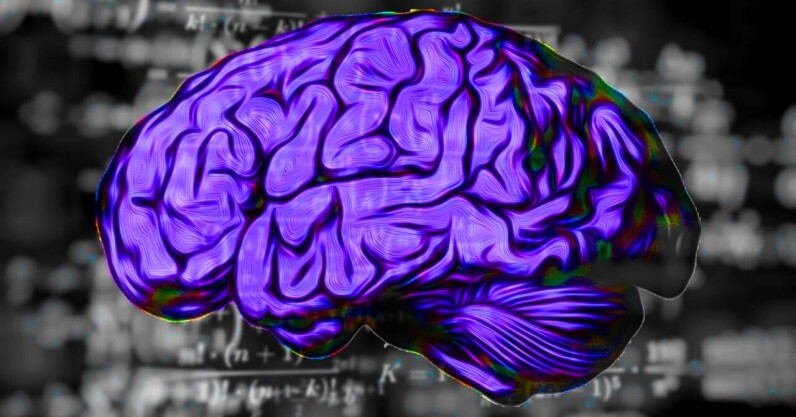
What if a simple drug could make everyone less selfish?


A team of researchers from the Italian Institute of Technology recently published a ground-breaking study wherein they identified the brain neurons associated with prosocial and selfish behavior in mice. And then they figured out how to turn those neurons on and off. Inspired by the lonely isolation they felt during the COVID-19 quarantine, lead author Diego Scheggia says they originally set out to “understand the social factors and neurobiological determinants of altruism and self-interest.” According to a report from Ingrid Fadelli on Medical Xpress, however, Scheggia felt as though society had shifted away from altruism and toward “self-centered concern and…

This story continues at The Next Web

from The Next Web https://ift.tt/4bTaSDE

Comments

Popular posts from this blog

TNW Podcast: Boris comes over to co-host; Slack’s Cal Henderson talks European tech

 Welcome to the new episode of the TNW Podcast — the show where we discuss the latest developments in the European technology ecosystem and feature interviews with some of the most interesting people in the industry. In today’s episode, Andrii is joined by Boris Veldhuijzen van Zanten, co-founder, member of the board, and former CEO of TNW. The topics discussed include the jobs created by Dutch startups, giant state funding for energy projects, translations of the word ‘computer’, and a bunch of other things in between. In the interview section, we’re featuring a conversation with Cal Henderson, co-founder and… This story continues at The Next Web from The Next Web https://ift.tt/jUgcNFD

Defining humanlike intelligence and entrusting it with our lives, explained by an AI researcher

TNW Answers is a live Q&A platform where we invite interesting people in tech who are much smarter than us to answer questions from TNW readers and editors for an hour.  Yesterday, Melanie Mitchell, the author of ‘Artificial Intelligence: A Guide for Thinking Humans’ and the Davis Professor of Complexity at the Santa Fe Institute, hosted a TNW Answers session where she spoke about how much we should really trust AI, her worries surrounding the technology, and defining humanlike intelligence in machines.  [Read: Chess grandmaster Gary Kasparov predicts AI will disrupt 96% of all jobs] Most fears around AI usually… This story continues at The Next Web from The Next Web https://ift.tt/2w7anvS

Google wants you to complete simple tasks for hard cash in its new app

If you’ve ever wanted to work for Google, now’s your best chance. The company has a new app called Task Mate that lets you earn money by completing tasks such as taking pictures of storefronts or recording short voice clips. At the moment, the app is live only for users in India. Plus, you’ll need an invitation code to sign up and start working on these tasks — it appears there aren’t many codes around yet. [Read: Here’s how to make your website more accessible] The firm already has an app called Google Opinion Rewards that asks you questions about its… This story continues at The Next Web Or just read more coverage about: Google from The Next Web https://ift.tt/2UXm3KO